Picking Timeless Over Trendy: Designing Interiors That Age Well
Every design era has a signature — the all-white kitchens of one decade, the dark and moody palettes of another, the specific tile pattern that seems to be in every new build the year it peaks. Trends aren’t bad; they’re often genuinely beautiful, and there’s a reason they catch on. But when a trend is baked into permanent, expensive elements of your home — cabinetry, tile, flooring, countertops — you’re not just making a style choice. You’re making a financial one, and it’s worth understanding the difference before you commit.

The real cost of trend fatigue
Trends move faster than the lifespan of a renovation. A countertop, a tile backsplash, or a cabinet color is typically expected to last ten to twenty years, but design trends often cycle in five years or less. That mismatch is where the expensive problem shows up: homeowners who chase the current look often find themselves wanting to redo the same spaces again within a decade, not because anything broke, but because it started to feel dated. That’s not a maintenance remodel — that’s a discretionary one, and it’s almost always more expensive the second time around because you’re also removing and disposing of the trendy material you just paid for.
Where to spend timeless, and where you can play
The solution isn’t to design a home with no personality — it’s to be strategic about where trends live. We generally recommend keeping the biggest, most permanent, and most expensive elements of a home — flooring, cabinetry, countertops, tile, plumbing fixtures, and paint on large architectural surfaces — in classic, well-proportioned choices with a long track record: natural stone and quality quartz in neutral tones, shaker or simple inset cabinetry, warm woods, and durable, versatile hardware finishes. These choices don’t chase a moment; they’ve already stood the test of decades and will keep working with whatever comes next.
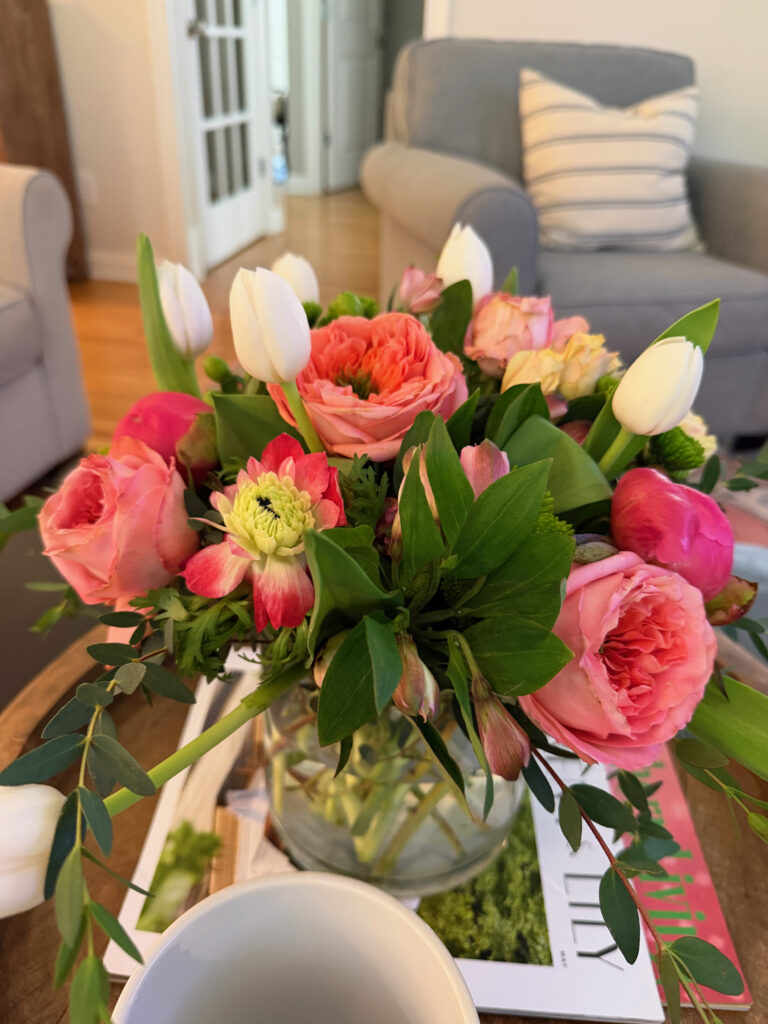
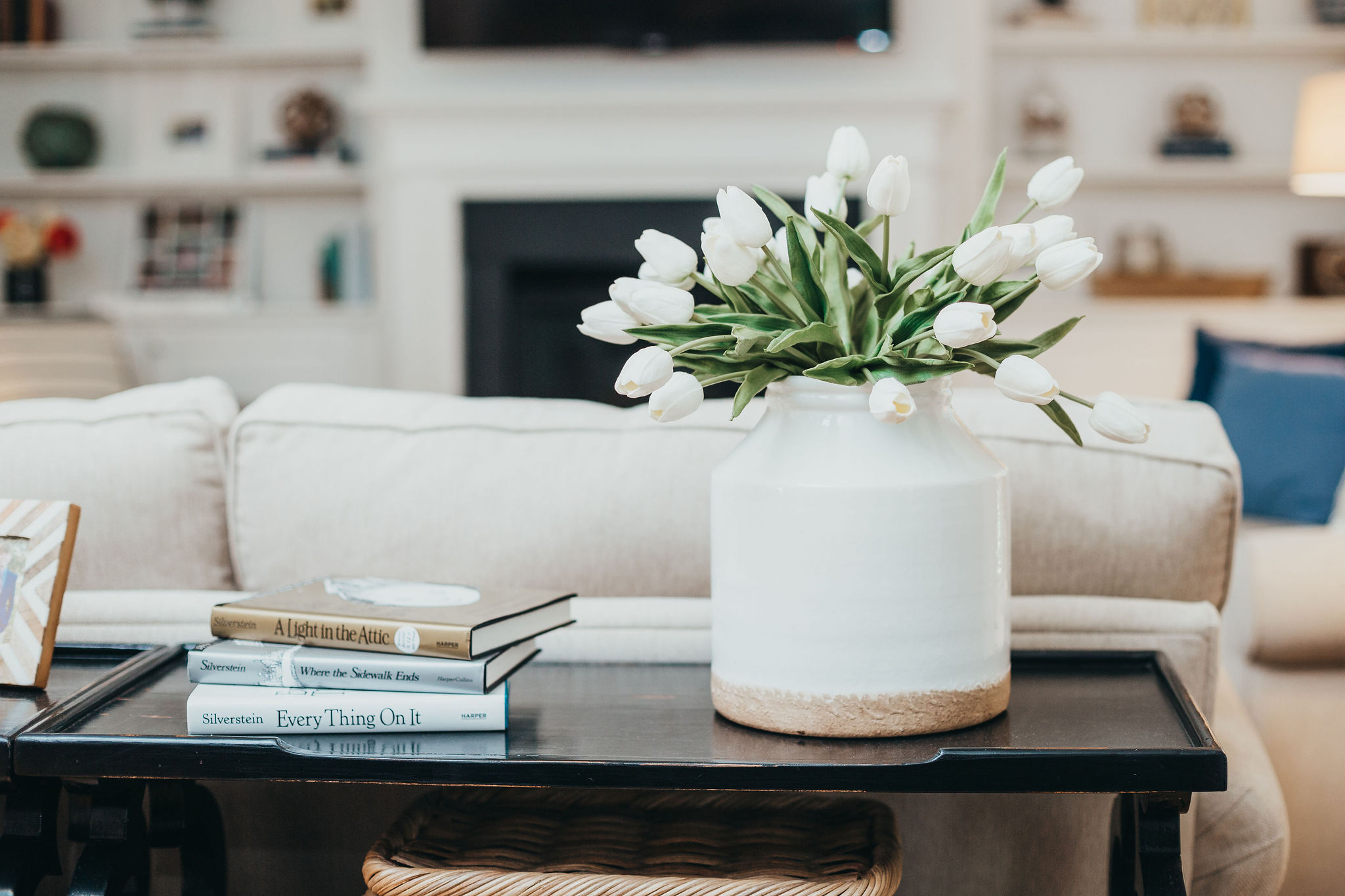
Trends still deserve a place in your home — they’re just better suited to the elements that are cheap and easy to change. Throw pillows, art, light fixtures, area rugs, accent walls, and accessories are the right place to experiment with a bold color or a of-the-moment pattern. If it goes out of style, you’re swapping a pillow, not ripping out a floor.
Color, specifically, deserves caution
Color is where trend-chasing gets the most expensive, because it’s so often applied directly to large surfaces — cabinetry, tile, and countertops — that are difficult and costly to change. A deeply saturated or highly specific trending color on a kitchen island or a full bathroom of tile can feel exciting today and read as an obvious dating marker in a few years. Neutral, warm, and tonal palettes with good undertones tend to photograph well, complement natural materials, and simply don’t announce a decade the way a trend color does. That doesn’t mean color has to be boring — it means saving the boldest color choices for the surfaces that are simplest to update later.
Designing for resale and for yourself, at the same time
There’s a common myth that “timeless” design means neutral to the point of personality-free. In practice, the opposite is true: the most enduring interiors are the ones with strong bones — good proportion, quality materials, and thoughtful layout — dressed with personal touches that can evolve over time. This approach also protects your investment if you ever sell, since a home built on classic choices appeals to a wider range of buyers than one frozen in a specific design moment.
When we plan a remodel with a client, one of our first conversations is exactly this: separating the decisions that need to last twenty years from the decisions that can change in an afternoon. Getting that distinction right up front is one of the simplest ways to avoid an expensive, avoidable remodel a decade from now.