Choosing Function First
It’s easy to fall in love with a design before you’ve thought through how it will actually be used. A gorgeous open shelving display, a statement soaking tub, a kitchen island with no real storage underneath — these choices photograph beautifully, but they don’t always hold up to daily life. After years of planning homes for real families, I’ve landed firmly on one guiding principle: function has to come first. Once a space actually works, making it beautiful is the easy part.

Beauty that doesn’t work isn’t good design
A room can be stunning and still be a bad design if it doesn’t support how you actually live in it. A primary closet with gorgeous finishes but no logical zones for folded clothes versus hanging clothes. A mudroom with a beautiful bench and nowhere to actually put shoes. A kitchen layout that looks incredible in photos but puts the refrigerator, sink, and stove in an awkward triangle that makes cooking dinner harder than it needs to be. Good design isn’t just how a space looks the day the photographer leaves — it’s how it performs every single day after that, for years.
Start with how you actually live, not how you wish you lived
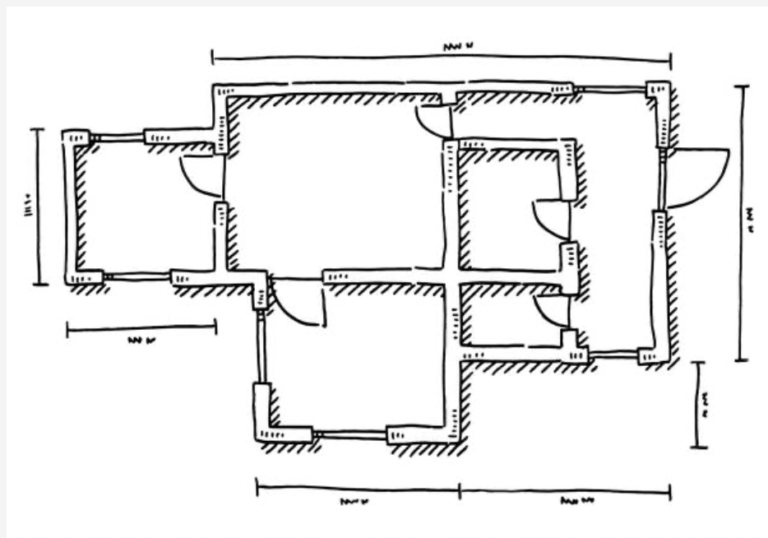
One of the most important parts of my process is understanding a household’s real, specific habits before a single finish is chosen. Do you cook every night or mostly order in? Do your kids do homework at the kitchen island or in their rooms? Does laundry pile up because the laundry room is inconvenient, or because there’s nowhere to sort it? These aren’t small details — they’re the foundation the whole design should be built on. A plan built around an idealized version of how you might live someday almost always fails the people who actually live there.
Function first doesn’t mean sacrificing style
This is the misconception I hear most often: that prioritizing function means settling for a plain, purely utilitarian space. In practice, it’s the opposite. When the function of a room is solved well — the storage is sized correctly, the traffic flow makes sense, the proportions work — you have far more freedom to make bold, beautiful choices on top of that foundation, because you’re not fighting the layout to make it livable. Some of the most striking rooms I’ve designed started with a fairly unglamorous conversation about storage capacity and daily workflow. The beauty came after the function was solved, not instead of it.
The questions that should come before the finishes
Before we ever discuss paint colors or cabinet hardware, there are functional questions that need answers: How many people use this space, and at the same time? What does the traffic pattern through this room look like at the busiest moment of the day? What has to be stored here, and how much of it? What’s currently frustrating about the way this space works right now? Answering these honestly — even when the answers aren’t glamorous — is what prevents the expensive mistake of a beautiful room that never quite works the way you hoped it would.
Function first protects your investment, too
A remodel designed around genuine function tends to age far better than one designed purely around a look. Trends fade, but a well-solved layout — good storage, a sensible flow, rooms sized for how they’re actually used — keeps performing regardless of what’s fashionable that year. It’s the same reasoning behind choosing timeless finishes over trendy ones: the decisions that hold up over time are the ones rooted in how a space actually functions, not just how it looks in the moment it’s finished.
At the end of the day, a home should work as hard as the people living in it. When function leads the design process, you don’t have to choose between a beautiful home and a livable one — you get both, and one that will still be working for you just as well a decade from now.