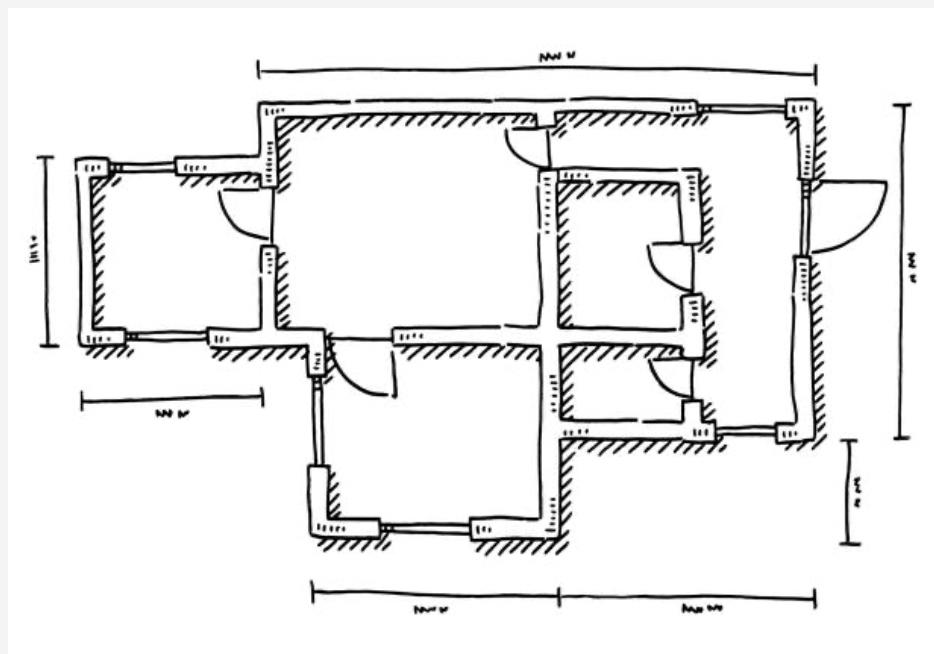
Choosing a Residential Planner for Your Remodel
A remodel almost always starts the same way: a list of wants, a budget in mind, and a general sense of what isn’t working about the current layout. What separates a smooth, well-executed project from a stressful, over-budget one is often not the contractor — it’s whether someone translated that initial wish list into a plan that is functional, buildable, and realistic before a single wall came down. That’s the job of a residential planner, and choosing the right one is one of the highest-leverage decisions you’ll make in the entire process.


What a residential planner actually does
A residential planner sits between your vision and your builder. Their job is to take everything you want — more storage, a better flow between the kitchen and the living space, a mudroom that finally works, a primary suite that feels like a retreat — and reconcile it with the practical realities of your existing structure, your local building codes, your mechanical systems, and your budget. That means thinking through structural implications, plumbing and electrical routing, egress requirements, and how every square foot is actually going to be used day to day, not just how it will look in a rendering.
The output of that work is a clear, detailed plan that your contractor can build from with confidence, and that you can review and adjust before construction starts, when changes are still inexpensive.
Wants and needs are not the same list
One of the most valuable things a good planner does is help you separate what you want from what you need — and then design a space that satisfies both without letting either one take over. It’s easy to fall in love with a feature you saw in a magazine that doesn’t actually fit how your household functions, and just as easy to under-plan a space you use constantly because it doesn’t feel exciting to design. A skilled planner asks the right questions early: how many people actually use this kitchen at once, where does the mail pile up, what does your morning routine actually look like — and uses those answers to prioritize the plan, rather than just checking boxes off a wish list.
Budget and execution have to be part of the design conversation, not an afterthought
A beautiful plan that can’t be built within your budget isn’t a plan — it’s a wish list with better drawings. This is where experience matters most. A good residential planner is thinking about cost implications while the design is still on paper: which structural changes are truly necessary versus nice-to-have, where a small layout adjustment can avoid a major (and expensive) mechanical relocation, and which finishes deliver the look you want without the premium price tag. They should be able to talk through trade-offs with you honestly — not just “yes, we can do that,” but “here’s what that choice costs you, and here’s an alternative that gets you 90% of the effect for less.”
Execution matters just as much as design. A plan is only as good as its ability to actually be built as drawn, which means a planner needs a working understanding of construction sequencing, permitting, and how their drawings will be read and used by the contractor and subcontractors on site. Plans that look good but create confusion or conflicts during construction lead to change orders, delays, and cost overruns — the exact opposite of what good planning is supposed to prevent.
What to look for when you’re choosing one
When evaluating a residential planner, ask to see examples of past projects with a similar scope to yours, and ask specifically how they handle budget conversations and unexpected conditions once construction starts. Ask how they document their plans and how closely they work with contractors during the build, not just during design. The right planner will ask you as many questions as you ask them, because a plan built around a real understanding of how you live is the whole point.
Choosing the right residential planner won’t just make your remodel look better — it will make the entire process more predictable, protect your budget, and result in a home that actually works the way you need it to, for years after the last box of tools leaves the job site.